The Chicco KeyFit 30 infant car seat is quite popular among organizations and parents alike and for many good reasons. It comes with several features that will benefit both the baby and parents. It’s an impressive option for anyone looking for an affordable quality safety seat for their babies. The KeyFit is easy to install with a LATCH system that’s simple to use. Moreover, it fared better in crash tests compared to most of its competitors. Although it may not be the best choice for some families, especially those who are always going to the city as it’s a bit heavy, it’s still worth considering because of its price.
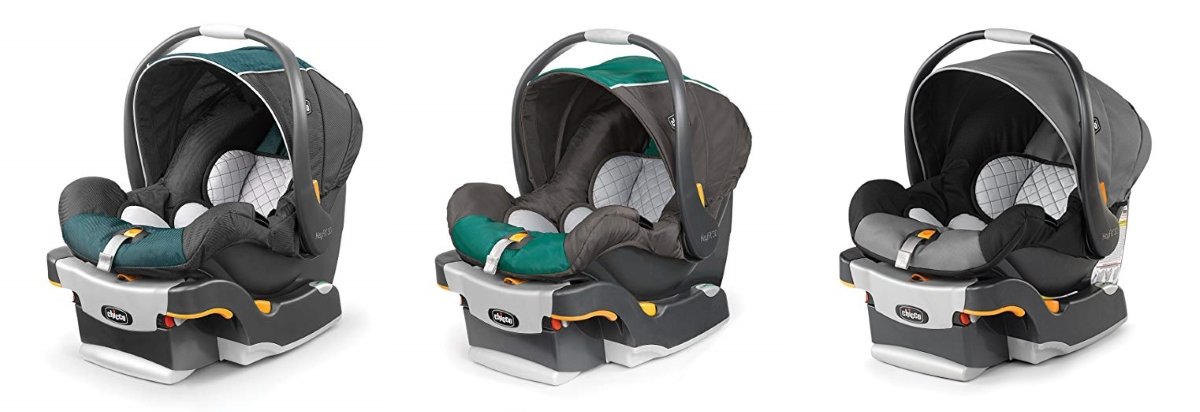
Key Features and Specifications
Dimensions: 17 in width, 26 in height (top handlebar to base)
Carrier Weight: 9.6 lbs
Height and Weight Limitations: 30 in, 4 to 30 lbs
Shoulder Height: 6 to 11.5 in
Five-point harness
Pne-pull for loosening and tightening strap
Both base sides come with bubble indicators
Thick padding and the seat cover is machine-washable
It includes an infant insert to provide extra support for small babies
The carrier shell is lined with energy-absorbing foam
How Easy Is It To Install?
Getting the right safety for your newborn can be stressful, especially if you’re a first-time parent. Chicco designed the KeyFit 30 in such a way that parents can install it accurately and efficiently every time.
Installing this infant car seat is quite straightforward and easy. It has a simple manual with easy-to-follow diagrams and the labels on the carrier and base makes it easy for parents to see where everything should go. The seat’s base can be installed using your vehicle’s seat belt or UAS connectors, whichever you think will provide the most solid fit in your car. It comes with bubble indicators on both sides of its base to ensure that it is within the necessary range.
Its LATCH system on the other hands is a breeze to connect. Just push the UAS connectors onto your car’s anchors, and once you hear a distinct click, the seat is secure and attached firmly to its base. Tightening this will normally require some muscle strength but with the Chicco KeyFit one-pull loosening and tightening strap, pulling it straight up is simple. The company also offers the base on its own for those who regularly switched vehicles.
Safety
As mentioned, this seat passed crash tests with flying colors compared to others available in the market today. It even tested higher for head injuries than the national safety standards. Your baby will get excellent protection in case of a car crash thanks to its EPS energy-absorbing foam and plenty of body and head support features. The five-point safety harness will snap securely together. You can loosen and tighten it smoothly as well.
The KeyFit 30 is also highly recommended by NICU nurses because of its infant insert inclusion which will give smaller and premature babies an added protection layer. This infant safety seat is FAA compliant, making it the best choice for families who are always traveling.
Vehicle models do not come in the same design. However, this car seat’s ReclineSure spring-loaded leveling system will help you adjust its fit in various back seat designs on the majority of cars. The bubble level indicators will help ease your mind knowing that the base is in the proper angle, while the SuperCinch LATCH system will provide a tight and secure fit with just a simple pull.
 Buying home gadget is easy as long as you have views and considerations before you buy. When you have ideas on what to buy, you will get it quickly. The most common problem in choosing